
Markets
Export to Algeria, Tunisia and Morocco
For importers, distributors and wholesalers in the Maghreb: products from major brands bought in Europe, with prices from Europe (EXW, FCA) or to the port of destination (CFR, CIF).
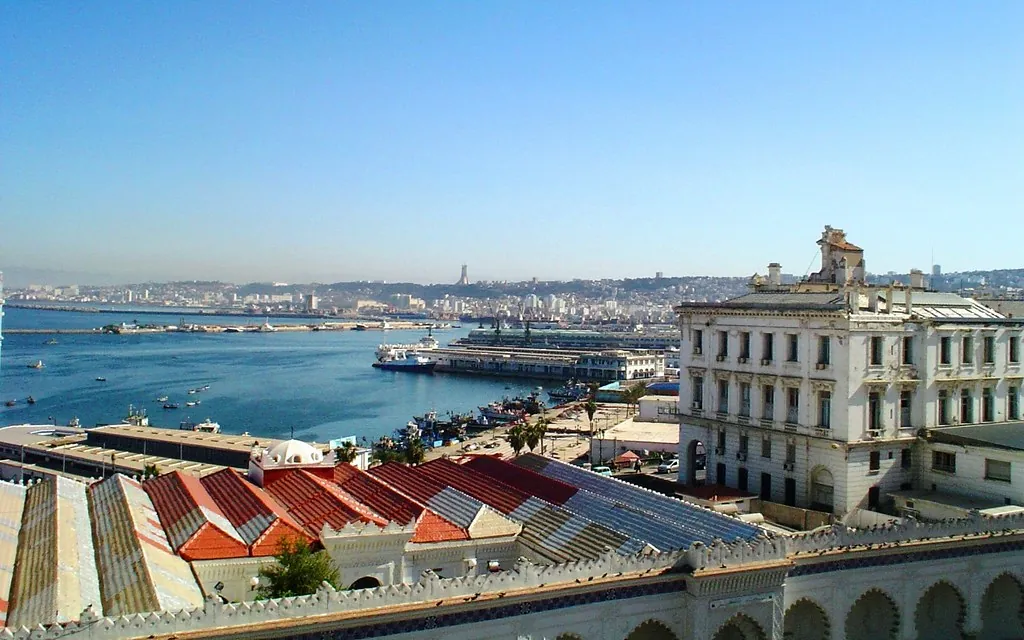
Destination ports
Three countries, ten ports of arrival
Containers leave from a European port chosen according to the origin of the goods, bound for the main ports of the Maghreb.
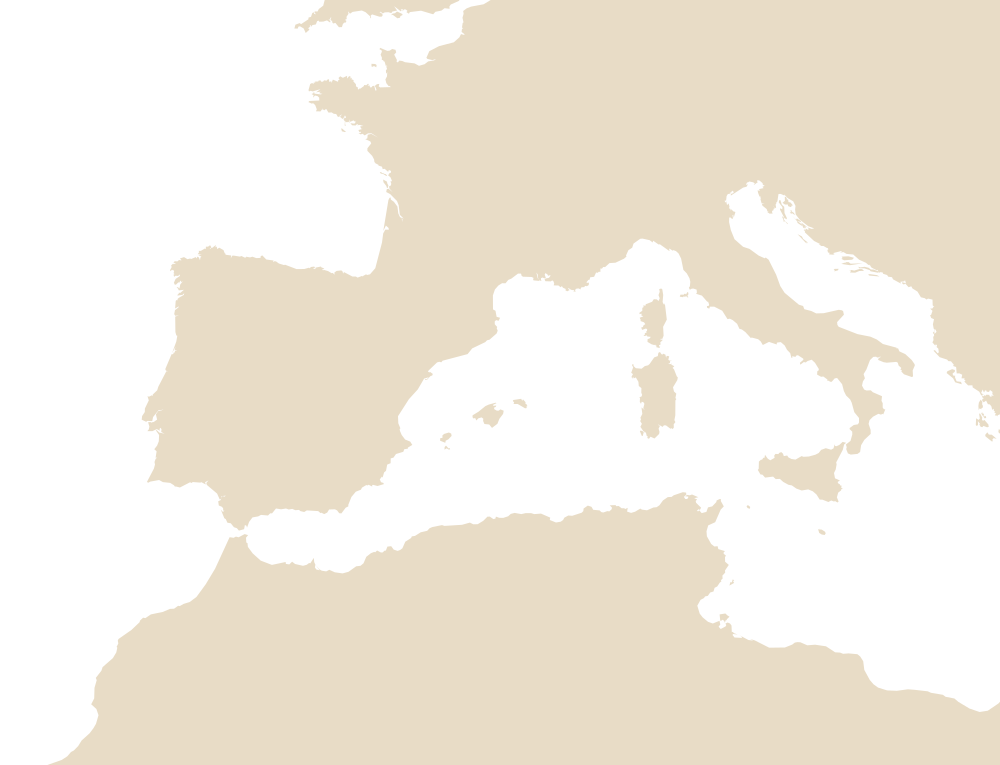 ParisFranceSpainItalyAlgeriaTunisiaMoroccoAlgiersOranBéjaïaAnnabaBizerteRadèsSfaxCasablancaTanger MedAgadirMediterranean SeaAtlantic Ocean
E.S.T head office in ParisDestination ports
Local requirements
What you need to know, country by country
A few general points to bear in mind. The precise requirements are checked with the importer for each order.
-
Algeria
Destination ports
- Algiers
- Oran
- Béjaïa
- Annaba
Good to know
- Labelling: mandatory information in Arabic; another language may appear in addition.
- Imports governed by regulations that change frequently: bank domiciliation, payment methods, conformity checks on arrival.
- Documents often requested: certificate of origin, health certificate or certificate of free sale, Halal certificate for the products concerned.
-
Tunisia
Destination ports
- Radès
- Sfax
- Bizerte
Good to know
- Labelling: information in Arabic, generally together with French, to be checked for each product.
- Many consumer products are subject to technical inspection on import.
- Documents often requested: certificate of origin, EUR.1 where applicable, health certificate or certificate of free sale.
-
Morocco
Destination ports
- Casablanca
- Tanger Med
- Agadir
Good to know
- Labelling: information in Arabic required, often as a back label on imported products.
- Food products inspected on import by the National Food Safety Office (ONSSA).
- Cosmetics: registration with the health authorities may be required; the importer checks the conditions.
Preferential origin. The European Union has concluded association agreements with Algeria, Tunisia and Morocco. For goods of European origin that meet their rules, an EUR.1 certificate may allow reduced customs duties on import, depending on the products and the rules in force.
General information. These indications do not replace the advice of the authorities of the destination country or that of a customs clearance professional. Import rules change: we check them for each order with the importer and its freight forwarder, who remain responsible for customs clearance.
Importers
How we work with you
Your specifications
Labelling language, required documents, Incoterm, port and schedule: your requirements are noted before the quotation.
Suitable shelf life
At least 12 months for long-life products and at least 75% for all others, to allow for transport and selling time.
Documents reviewed in advance
The draft documents are sent to you before shipment, to avoid unpleasant surprises on arrival.
Tracking to the port
Container number, bill of lading, estimated arrival date: you are kept informed at every stage of the shipment.
Request for quotation
An import project? Let’s talk.
Tell us the products, quantities and port of destination you need: we will get back to you with a detailed quotation by Incoterm.